
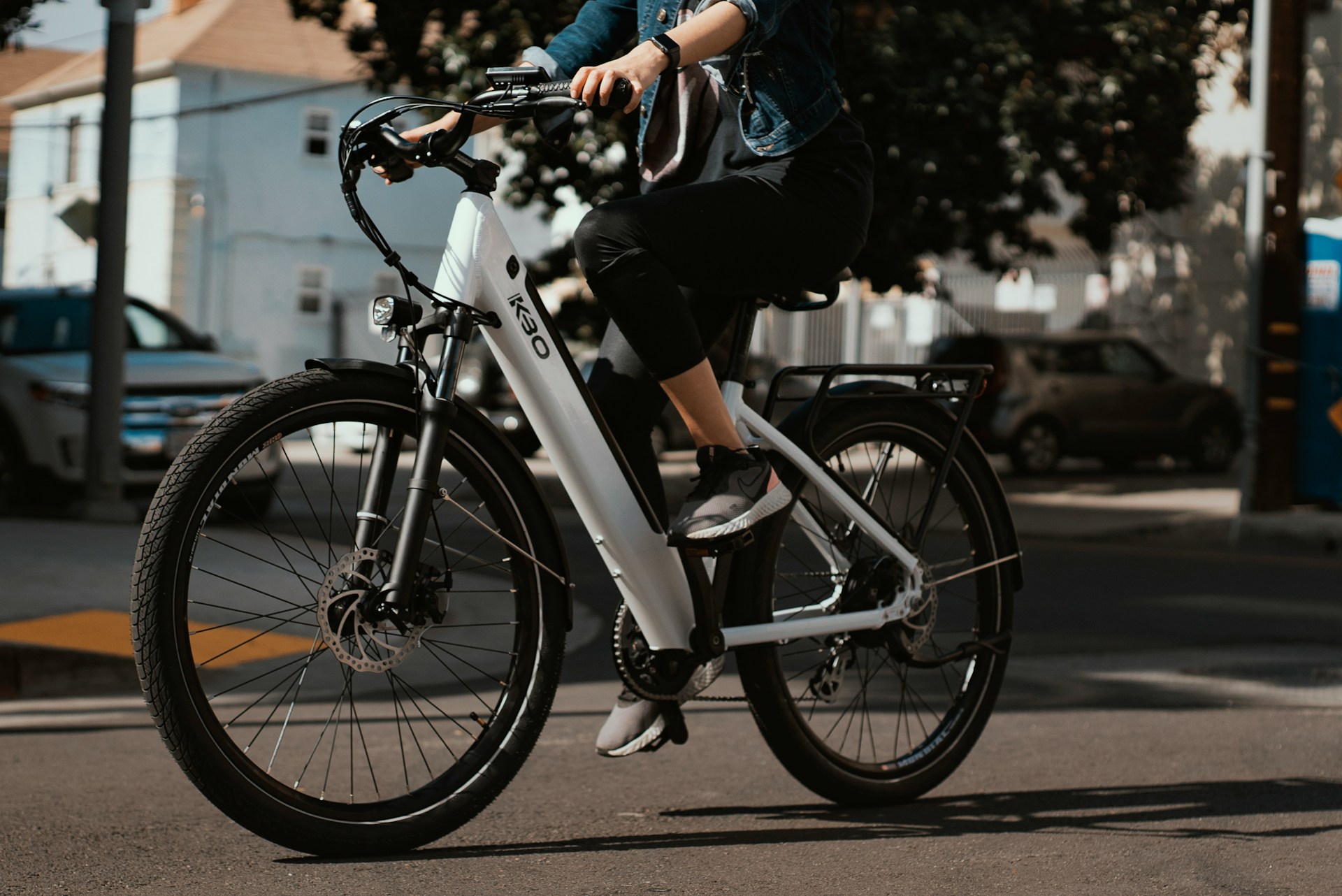
Ontario’s streetscape is undergoing a quiet revolution. Traditional pedestrian and vehicular traffic must now share the road with a rapidly expanding fleet of battery-powered conveyances. From food delivery couriers weaving through gridlock to commuters gliding to the office on silent wheels, electric bicycles and kick-scooters have transformed urban mobility. This technological shift outpaces legislative updates, creating a complex legal environment for injured parties. This blog examines ten key legal developments and statutory realities that govern electric micromobility in Ontario.
1. The Statutory Distinction Between Bicycles and Motorcycles
The Highway Traffic Act now creates a rigid dichotomy that often surprises new riders. A Power Assisted Bicycle, commonly called an electric bicycle, must adhere to strict federal and provincial definitions to remain classified as a bicycle. The device must possess a maximum speed of 32 kilometres per hour and functional muscular pedals. If a rider modifies the device to exceed this speed or removes the pedals to rely solely on the motor, the vehicle legally transforms into a motorcycle. This reclassification is catastrophic for a personal injury claim. A rider operating an unregistered and uninsured motorcycle is generally barred from maintaining a lawsuit for injuries under the Insurance Act.
2. The Pilot Project Framework for Kick Scooters
Electric kick scooters occupy a precarious legal position compared to their bicycle counterparts. These devices are technically prohibited from public roads unless the specific municipality has opted into the Ontario Pilot Project under O. Reg. 389/19. Cities such as Toronto have declined to opt in, meaning that riding an electric scooter on public sidewalks or roads in those jurisdictions remains illegal. A plaintiff injured while operating a scooter in a prohibited zone may face arguments regarding their own negligence and statutory breach. The pilot regulation imposes strict equipment requirements, including brakes, bells, and lights, which are often missing on private models purchased online.
3. The Reverse Onus Provision in Litigation
One of the most potent tools for vulnerable road users in Ontario is Section 193 of the Highway Traffic Act. This provision creates a reverse onus of proof when a motor vehicle collides with a pedestrian or cyclist. In a typical negligence claim, the injured plaintiff bears the burden of proving the defendant was at fault. However, when a motorist strikes a cyclist or scooter rider on a public highway, the burden shifts. The driver must affirmatively prove that their conduct was not negligent. This statutory presumption facilitates recovery for electric bicycle riders who may have limited memory of the collision due to trauma.
4. Eligibility for Statutory Accident Benefits
A common misconception is that insurance benefits are unavailable to cyclists. If an accident involves an automobile, the injured rider is entitled to Statutory Accident Benefits regardless of fault. This applies even if the rider does not own a car. Under the priority rules, the rider may claim benefits from the insurer of the striking vehicle. These benefits provide crucial funding for medical rehabilitation and attendant care. The definition of an automobile is pivotal in this context. While an electric bicycle is not a motor vehicle, the vehicle that strikes it almost certainly is, triggering access to this no-fault system.
5. Municipal Liability and the Travelled Portion
The 2025 decision of the Court of Appeal for Ontario in Bello v. Hamilton has reshaped the understanding of municipal liability for cyclists. The Court clarified a municipality’s obligations to maintain specific portions of the roadway and trails. Electric mobility users are particularly susceptible to road defects, such as potholes or uneven pavement, due to their smaller wheel diameters. This recent jurisprudence confirms that cities cannot easily dismiss claims simply because an accident occurred on the shoulder or the edge of a designated path. Municipalities must maintain the road in a condition of reasonable repair for all ordinary users, including those using electric devices.
6. The Contributory Negligence of Helmets
Ontario law mandates helmet use for electric bicycle riders under the age of 18, but adults often forgo this protection. In civil litigation, the absence of a helmet can significantly reduce the amount of financial compensation due to the principle of contributory negligence. Defence counsel will argue that the failure to wear a helmet exacerbated the injuries. If medical evidence supports this assertion, a court may reduce the damages awarded to the plaintiff, potentially by a significant percentage. This deduction applies even if the rider was completely blameless in the mechanics of the collision itself.
7. Criminal Charges and Impaired Operation
Many riders assume that impaired driving laws apply exclusively to automobiles. This is legally incorrect. The Criminal Code of Canada applies to the operation of conveyances, which includes electric bicycles and scooters. A rider can be charged with impaired operation if they are intoxicated by alcohol or drugs. Beyond the criminal consequences, a conviction for impaired operation can breach the statutory conditions of an insurance policy. This breach may disqualify the individual from receiving certain Statutory Accident Benefits, such as income replacement or non-earner benefits, leaving them financially vulnerable after a crash.
8. The Deductible for General Damages
Victims of motor vehicle accidents in Ontario face a significant statutory barrier when seeking compensation for pain and suffering. Under the Insurance Act, non-pecuniary damages are subject to a substantial deductible unless the award exceeds an annually indexed threshold. In 2025, this deductible is approximately $46,790 and applies to general damages awards below roughly $156,000. As a result, if a court awards an injured electric bicycle rider $60,000 for pain and suffering arising from a motor-vehicle collision, the statutory deductible would reduce the payable amount to just over $13,000. This feature of Ontario’s automobile insurance regime can significantly limit recovery for vulnerable road users in mixed-traffic environments and does not apply to non-automobile claims, such as slip-and-fall accidents on private property, which are governed by ordinary tort principles and are not subject to the same deductible framework.
9. Sidewalk Riding and Pedestrian Liability
The tension between pedestrians and silent electric vehicles is rising. Riding an electric bicycle or scooter on a sidewalk is generally prohibited under municipal bylaws and the Highway Traffic Act. If a rider strikes a pedestrian on a sidewalk, the rider is fully exposed to tort liability. Unlike a car accident, where an insurer defends the claim, an electric bicycle rider may be personally sued for damages. Homeowner or tenant insurance policies often exclude liability for self-propelled land vehicles. This creates a dangerous gap in which a judgment could personally bankrupt a rider if they injure a pedestrian while riding illegally on a sidewalk.
10. Product Liability and Battery Safety
A growing number of injuries arise not from collisions but from device malfunction. Lithium-ion battery fires and sudden brake failures on imported electric scooters are becoming frequent sources of litigation. These claims fall under product liability law rather than traffic negligence. Pursuing a claim against an overseas manufacturer can be procedurally challenging. However, Ontario law allows for claims against local distributors and retailers who sell defective goods. Clients injured by a mechanical failure must preserve the physical evidence of the device immediately, as the loss of the scooter can result in the dismissal of the claim due to spoliation of evidence.
Navigating Ontario’s Electric Micromobility Laws Before an Accident Happens
The integration of electric micromobility into the Ontario transportation network offers convenience, but it also carries distinct legal risks. Whether you are a rider navigating the roads or a pedestrian sharing the path, understanding these statutes is vital. The interaction between the Highway Traffic Act, the Insurance Act, and emerging case law creates a dynamic landscape where rights can be lost without prompt legal guidance.
Campbell Litigation: Dynamic Personal Injury Lawyer Serving Kitchener-Waterloo
Electric bicycle and scooter accidents raise complex legal issues that differ significantly from traditional motor vehicle or pedestrian claims. If you or a loved one has been injured while riding or interacting with an electric mobility device in Ontario, timely legal advice is critical. Richard Campbell of Campbell Litigation is a highly experienced personal injury lawyer who can assess how statutory regimes, insurance coverage, and liability rules apply to your situation and help protect your right to compensation. Contact our firm online or call 519-886-1204 to discuss your case and understand your legal options.