
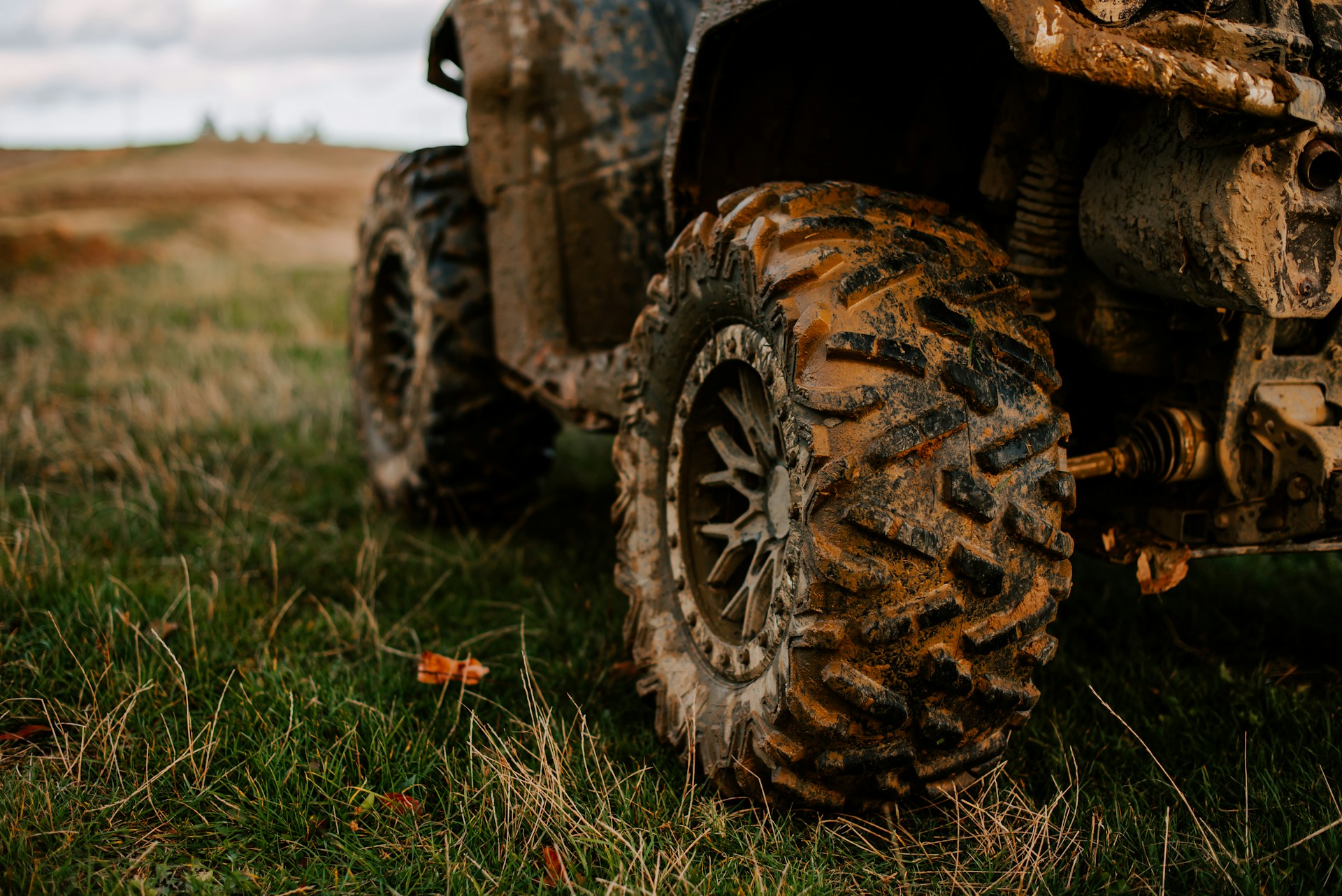
For many hunters across Ontario, all-terrain vehicles (ATVs) are an important part of the fall hunting season. They can make it easier to travel through forests, reach remote areas, transport equipment, and retrieve harvested game. However, challenging terrain, changing weather, heavy cargo, and reduced visibility can also increase the risk of serious accidents.
An ATV collision during a hunting trip may involve more than a typical recreational mishap. Questions can arise about automobile insurance, accident benefits, negligence, property conditions, vehicle ownership, and the conduct of other riders.
Why Hunting Season Can Increase ATV Risks
Fall riding conditions in Ontario can change quickly. Wet leaves may conceal rocks, roots, ruts, or holes. Rain can turn trails muddy and unstable, while frost can create slippery surfaces. Shorter daylight hours can also leave riders navigating difficult terrain in reduced visibility.
Hunters may carry firearms, tree stands, camping supplies, game, and other equipment. Added weight or poorly secured cargo can affect an ATV’s stability and handling. Carrying passengers on vehicles not designed for them may create further risks.
Remote locations can also complicate the aftermath of a crash. Emergency responders may have difficulty reaching an injured person, cellular service may be limited, and treatment may be delayed.
Ontario Rules Governing ATVs
Ontario’s Off-Road Vehicles Act establishes requirements affecting ATV use. Subject to certain exceptions, off-road vehicles must generally be registered, display a licence plate, and carry motor vehicle liability insurance.
Different rules may apply depending on whether an ATV is being operated on a public road, Crown land, a recreational trail, or private property. Municipal bylaws can also determine where off-road vehicles may travel.
When ATVs are permitted on certain Ontario roads, additional rules may apply concerning licensing, insurance, helmet use, lighting, and operation of the vehicle.
When Another Rider Causes the Accident
ATV accidents can involve collisions between vehicles, unsafe passing, excessive speed, or one rider forcing another off a trail. A personal injury claim may involve examining whether another rider’s conduct contributed to the accident. Relevant factors can include speed, visibility, impairment, trail conditions, passenger loading, vehicle maintenance, and whether the ATV was operated appropriately for the surrounding conditions.
Evidence such as photographs, witness statements, GPS information, vehicle damage, police reports, and helmet-camera footage may help determine how the collision occurred.
What If the Injured Person Was a Passenger?
Passengers can suffer significant injuries when an ATV rolls over, leaves a trail, or collides with another vehicle.
Questions may arise about whether the ATV was designed for passengers, where the passenger was seated, how the vehicle was being driven, and whether cargo affected its stability.
The fact that someone voluntarily participated in an ATV trip does not by itself determine responsibility. Liability depends on the circumstances of the particular accident.
Can Accident Benefits Apply After an ATV Crash?
Ontario generally requires off-road vehicles to carry motor vehicle liability insurance unless an exception applies. Depending on the circumstances, an ATV crash may therefore engage Ontario’s statutory accident benefits system.
Accident benefits are separate from a lawsuit based on fault and may provide coverage following an insured accident regardless of who caused it.
Ontario’s accident benefits regime changed on July 1, 2026. Medical, rehabilitation, and attendant care benefits remain mandatory, while several other benefits became optional coverage that policyholders can choose to purchase. The benefits available after an ATV accident may therefore depend on the policy and coverage in place.
Insurance Questions Can Become Complicated
Hunting-season ATV accidents can involve vehicles that belong to friends, relatives, hunt camps, or property owners. The injured person may also have been a passenger rather than the owner or driver.
Determining which insurance policy responds may require reviewing who owned the ATV, whether it was insured, who was operating it, whether permission had been given, and whether another automobile insurance policy applies.
Uninsured or improperly insured ATVs can create additional complications, particularly where serious injuries have occurred.
Dangerous Trails and Property Conditions
Some ATV accidents may be connected to the condition of the land rather than another rider’s conduct. Examples include concealed holes, damaged bridges, unexpected drop-offs, fallen trees, or poorly maintained trails.
Ontario’s Occupiers’ Liability Act governs certain obligations owed by people who control property. However, the applicable standard can vary depending on the type of property, whether access was permitted, whether a fee was charged, and the circumstances of the person’s entry.
A crash on private hunting land or a recreational trail does not automatically make the property owner responsible. The surrounding facts must be considered.
Mechanical Problems and Equipment Failure
An ATV crash may also involve a mechanical failure. Problems with brakes, steering, tires, suspension, or other components can potentially contribute to a loss of control.
When equipment failure is suspected, the vehicle itself may become important evidence. Maintenance records, repair invoices, photographs, and inspection findings can assist in determining whether the ATV’s condition contributed to the accident. Depending on the circumstances, issues may arise involving the owner, repair facility, seller, manufacturer, or another party connected with the vehicle.
Shared Responsibility Can Affect a Claim
More than one person can contribute to an ATV accident. An injured rider’s own conduct may therefore become relevant when responsibility is assessed. Issues such as helmet use, speed, alcohol consumption, unsafe passenger practices, excessive cargo, or operating an ATV without regard for weather and trail conditions can potentially affect the analysis.
Ontario negligence law permits responsibility to be divided among multiple parties where appropriate. A finding of contributory negligence can therefore affect the damages recoverable.
Preserving Evidence After a Remote ATV Accident
ATV crashes often occur in locations where evidence can disappear quickly. Rain, snow, logging activity, or other riders may alter the condition of the trail.
Photographs or video of the ATV, trail, debris, tire marks, nearby signs, weather conditions, and the surrounding area may help document what occurred. Information concerning witnesses, insurance, emergency treatment, and any police or conservation officer involvement may also become relevant.
Serious ATV Injuries Can Have Lasting Effects
ATVs provide relatively little protection during a rollover or ejection. Accidents can result in traumatic brain injuries, spinal injuries, fractures, internal injuries, and other significant harm.
The effects of these serious injuries can extend beyond emergency medical care. An injured person may require rehabilitation, attendant care, mobility equipment, time away from work, or assistance with daily activities. Where an injury claim proceeds, these losses may become relevant when assessing available benefits and damages.
Injured in an ATV Accident During Hunting Season in Ontario? Contact Campbell Litigation in Kitchener-Waterloo
ATV accidents can leave injured riders and passengers dealing with medical treatment, lost income, rehabilitation needs, and complicated insurance questions. When an accident involves another rider, unsafe property conditions, a passenger injury, or disputed insurance coverage, several areas of Ontario personal injury law may intersect.
Campbell Litigation represents people injured in ATV, off-road vehicle, recreational vehicle, and motor vehicle accidents across Ontario. Led by Richard Campbell, our firm will review the circumstances of an ATV accident, explain the potential insurance and personal injury issues involved, and discuss available legal options. Contact us online or call 519-886-1204 to arrange a consultation today.