
National Drowning Prevention Week is an important reminder that water-related accidents can happen quickly, quietly, and with devastating consequences. For many Ontario families, summer includes cottage rentals, lakefront getaways, boating, swimming, paddling, pools, docks, and other outdoor activities.
The Lifesaving Society has identified National Drowning Prevention Week 2026 as taking place from July 19 to 25, with a focus on being prepared and water smart. This message is particularly relevant at private rental properties, where there may be no lifeguards, limited warnings, unfamiliar terrain, older docks, unclear water depths, or missing safety equipment.
Why Rental Cottages Can Carry Unique Water Risks
Cottages are often located near lakes, rivers, rocky shorelines, pools, hot tubs, docks, boat launches, or steep paths leading to the water. Although these features may attract vacationers, they can also increase the risk of personal injury.
Guests may not know whether a dock is stable, where the water becomes deep, or whether submerged rocks, weeds, currents, cold temperatures, or boat traffic are present. Children, elderly visitors, non-swimmers, and people using alcohol or cannabis may face additional risks.
Drowning incidents can result from brief lapses in supervision, unexpected falls, fatigue, poor visibility, or missing flotation devices. A vacation setting may also create a false sense of security, especially when guests assume that a rental property has been inspected for hazards before being listed.
Docks, Shorelines, and Unclear Water Depth
Loose dock boards, unstable ladders, exposed nails, slippery surfaces, inadequate lighting, and sudden changes in water depth can contribute to serious falls. Shorelines may also contain algae, mud, weeds, uneven rocks, or steep slopes that make entering or leaving the water difficult.
These dangers may become more serious at night. Poor lighting near a dock, path, pool, or waterfront access point can make hazards harder to identify, particularly when guests are tired, impaired, or unfamiliar with the property.
Natural Water Hazards
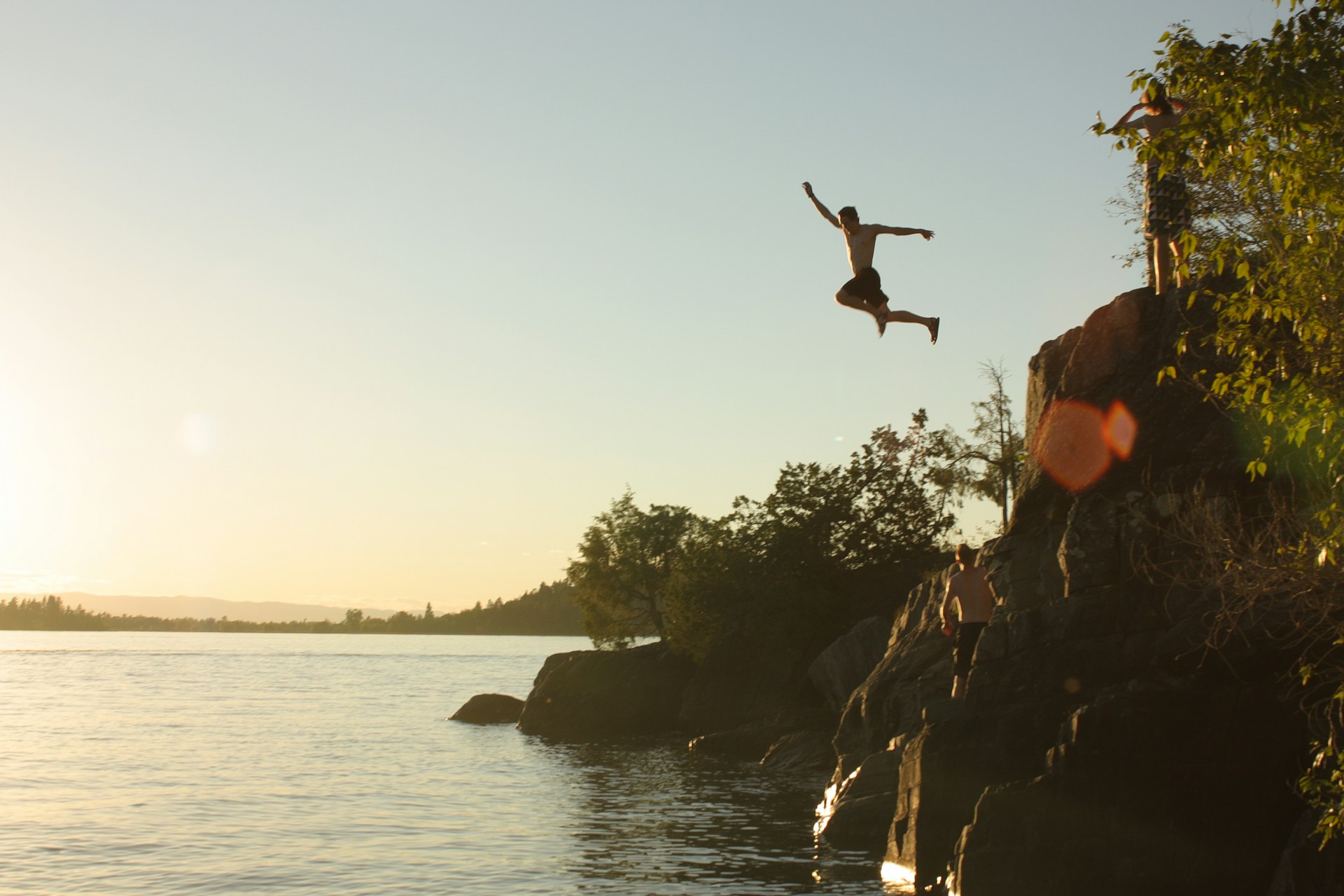
Lakes and rivers also lack the controlled conditions found at public pools. A shallow area may drop off suddenly, while a location that appears safe for jumping may contain rocks, logs, or other submerged hazards.
Rental listings sometimes describe waterfronts as “swimmable” or “family-friendly” without fully explaining the conditions. Clear information is particularly important for families with children and guests who are not strong swimmers.
Pools, Hot Tubs, and Private Water Features
Water-related risks are not limited to lakes and rivers. Rental properties may include pools, hot tubs, ponds, or spa areas. These features can be dangerous when barriers are missing, gates do not latch, covers are unsecured, or children can access the water without supervision.
Private pools may create particular concerns for families with young children. Hot tubs can also present risks involving slippery surfaces, heat, impaired judgment, and possible entrapment hazards.
Although guests are responsible for their own conduct and supervision, the condition of the property, available warnings, maintenance practices, and access controls may all be relevant after an incident.
Boats, Paddling Equipment, and Lifejackets
Many Ontario cottage rentals provide canoes, kayaks, paddleboards, rowboats, or motorboats. Safe use of this equipment can be central to preventing drowning and near-drowning incidents.
Transport Canada requires a lifejacket or personal flotation device to be carried on board for each person using a watercraft, including human-powered craft. Boaters should also avoid alcohol and other impairing substances, and operators are responsible for the safety of passengers and others on the water.
Where a rental property provides watercraft, questions may arise about whether the equipment was maintained, suitable for use, properly stored, and accompanied by safety instructions. The actions of the person operating the watercraft may also be relevant.
Alcohol, Cannabis, and Overlapping Risks
Alcohol or cannabis use around water can affect judgment, balance, reaction time, swimming ability, and emergency response. These risks may increase when impairment is combined with nighttime activity, boating, fatigue, cold water, or slippery walking surfaces.
A serious incident may involve several contributing factors, such as poor lighting, an unstable dock, missing barriers, impairment, and the absence of a lifejacket. Each factor may need to be examined when determining how the incident occurred.
Responsibility may depend on the conduct of the injured person, the actions of other guests, the condition of the premises, the availability of warnings, and the role of the property owner or rental operator.
Occupiers’ Liability at Ontario Waterfront Properties
Ontario’s Occupiers’ Liability Act generally requires an occupier to take reasonable care in the circumstances to see that people entering the premises are reasonably safe. This duty may apply to dangers caused by the condition of the property or by activities taking place there.
At a rental cottage, questions may arise about who controlled and maintained the property, provided instructions to guests, or knew about a hazard. Depending on the circumstances, the parties involved could include the owner, host, rental operator, property manager, maintenance contractor, or boating operator.
A drowning or near-drowning does not automatically mean that someone is legally responsible. Similarly, a warning sign or rental agreement may not resolve every issue. Each incident must be assessed based on its particular facts.
Near-Drowning Injuries Can Be Life-Changing
Not every water-related incident is fatal. Oxygen deprivation during a near-drowning can cause a brain injury, cognitive changes, physical impairments, emotional trauma, respiratory complications, and the need for long-term care.
Families may face hospital expenses, rehabilitation, lost income, home modifications, attendant care, psychological support, and future care planning. Some injuries may only become fully apparent over time.
Medical records, rehabilitation assessments, specialist reports, therapy notes, and family observations can help document how the incident has affected the injured person.
Preserving Information After an Incident
After a serious water-related injury, important questions may involve what the rental listing said, whether warnings were provided, whether lifejackets were available, and whether docks, lights, ladders, gates, or barriers were properly maintained.
Photographs, videos, witness information, messages with the host, rental listings, emergency reports, maintenance records, medical documentation, and insurance information may become relevant. Early documentation can be particularly important because property conditions and online listings may change. Boats, paddles, flotation devices, dock boards, pool gates, ladders, lighting, and warning signs may also help explain what happened.
Prevention Starts Before Arrival
Vacationers can ask about waterfront access, swimming conditions, water depth, dock safety, lifejackets, pool barriers, emergency access, and whether children can reach the water directly from the cottage.
Families may also bring properly fitted lifejackets, establish clear water rules, assign active adult supervision, avoid distracted supervision, and keep emergency information and first aid supplies nearby.
Property owners and rental operators can review their properties before the summer season. Accurate listings, clear warnings, reasonable maintenance, secure barriers, safe access routes, and visible safety equipment may help reduce the risk of serious injury.
When a Cottage Vacation Ends in Serious Injury
A drowning or near-drowning can leave families facing grief, medical concerns, financial pressure, and difficult questions about what happened. Cottage incidents may involve private property, rental platforms, insurance coverage, watercraft, supervision, and maintenance issues.
National Drowning Prevention Week is a reminder that preparation matters and that water-related injuries can have consequences extending far beyond a single summer weekend.
Campbell Litigation: Providing Trusted Personal Injury Representation in Kitchener-Waterloo
If you or a loved one suffered a drowning, near-drowning, boating, dock, pool, or waterfront injury at an Ontario rental cottage, lakefront property, short-term rental, resort, campground, or private home, contact Campbell Litigation. Led by Richard Campbell, we assist clients across Ontario with personal injury claims involving serious water-related injuries, occupiers’ liability, cottage accidents, boating accidents, brain injuries, catastrophic injuries, and wrongful death. Contact us online or call 519-886-1204 to discuss your situation.